
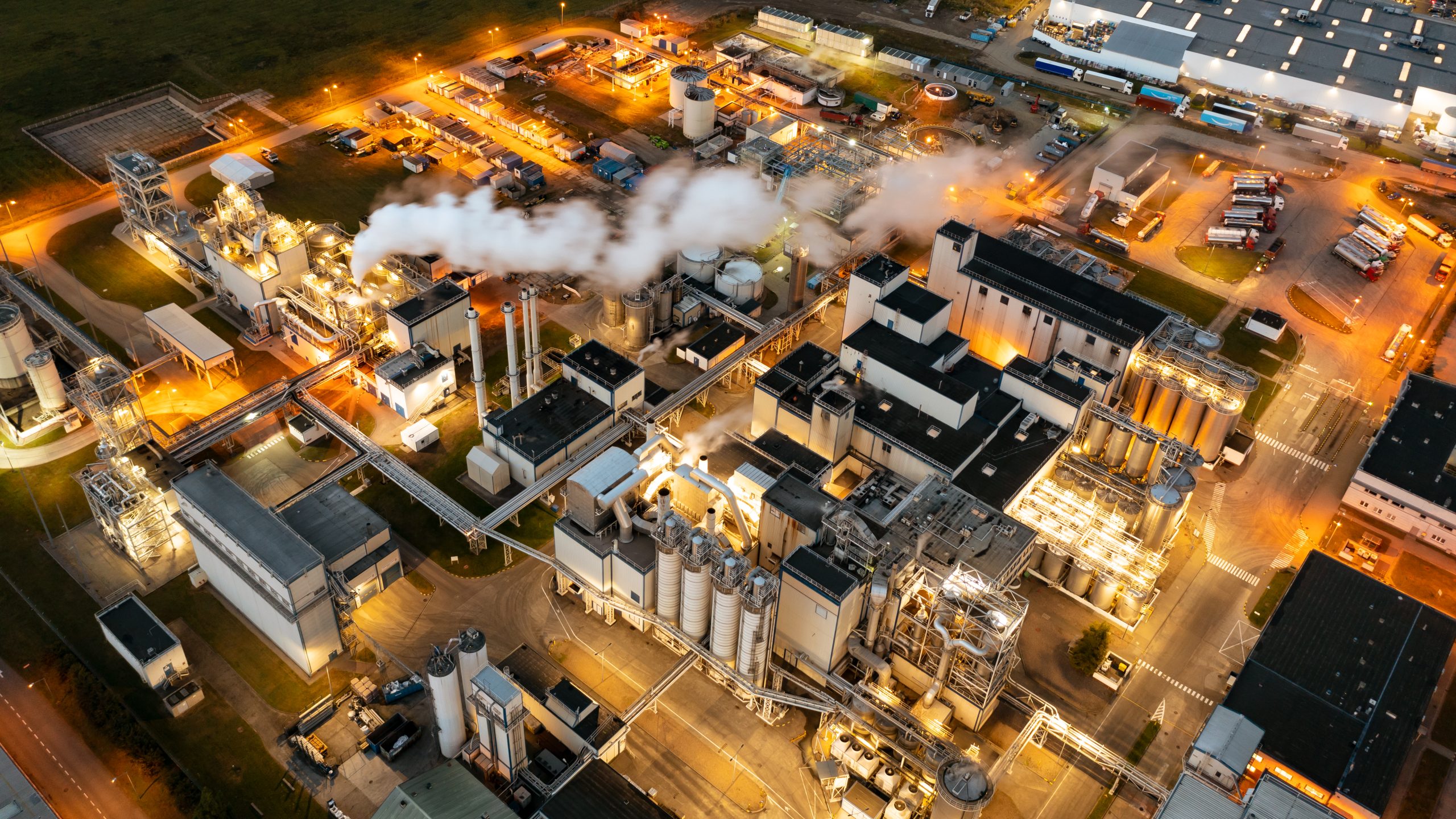
Modern industry continues to rapidly evolve, setting new requirements for product quality, component manufacturing precision, and production process efficiency. With the advancement of manufacturing technology, companies are increasingly turning to high-precision machining methods for rolled metal products and specialized alloys. This approach ensures consistent product parameters, reduces manufacturing deviations, and improves the reliability of finished products.
The development of high-precision metalworking technologies is driven by the growing needs of mechanical engineering, energy, the medical industry, the aerospace sector, and other industries where component quality directly impacts the safety and efficiency of equipment operation. Modern machining methods enable the processing of complex parts and technical materials, ensuring high geometric accuracy and consistent product characteristics.
One of the key drivers of the growing demand for high-precision technologies is the desire of companies to minimize the amount of additional processing and reduce production costs. The use of modern equipment helps improve surface finish quality, reduce the likelihood of deviations, and ensure more efficient use of rolled metal products. This is especially important when working with specialized and expensive alloys, where machining precision directly impacts the efficiency of production processes.
Modern manufacturing companies also place significant emphasis on process automation and the implementation of digital solutions in metalworking. The use of automated equipment control systems enables real-time monitoring of processing parameters, ensuring consistent repeatability of product characteristics, and reducing the impact of human error on production processes.
Increasing product quality requirements are driving the development of laser, waterjet, and CNC machining technologies. High-precision metalworking methods enable efficient processing of complex-geometry components and ensure consistent product quality, even in mass production. This approach helps companies maintain a high level of competitiveness and meet the demands of the modern market.
The development of metalworking technologies impacts not only product quality but also the overall efficiency of production processes. Modern equipment helps accelerate production tasks, reduce component manufacturing lead times, and optimize material utilization. This allows companies to more effectively plan production processes and ensure stable equipment operation.
High-precision technologies are becoming especially important amid the growing demand for technical and specialized materials. Modern processing methods help preserve the performance properties of metals and alloys, ensure high-quality surface finishes, and minimize the risk of material damage during manufacturing operations.
Industrial developments and increasing product quality requirements continue to drive the adoption of new metalworking solutions. The use of high-precision technologies helps companies improve operational efficiency, ensure stable production processes, and manufacture products that meet modern technical standards and the requirements of various industries.